Rat Terriers With Cats and Small Pets: A Realistic Safety Guide
Cats are often workable with careful introductions. Rodents, rabbits and birds must be kept apart. Here is how to manage both.
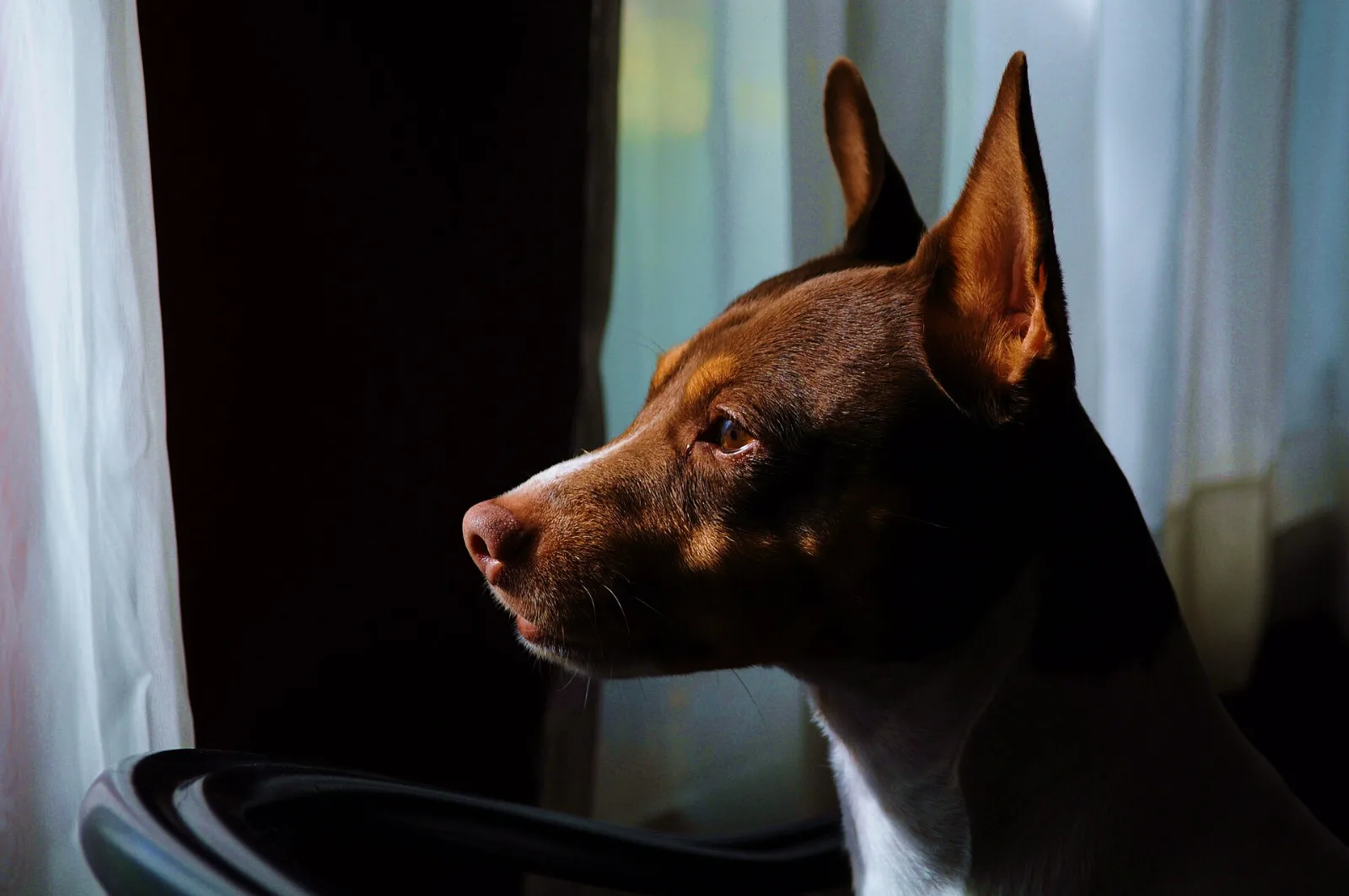
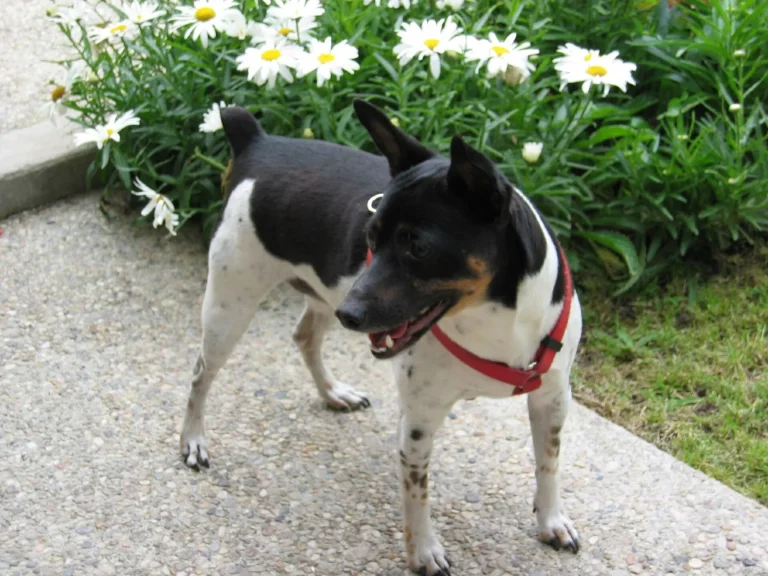
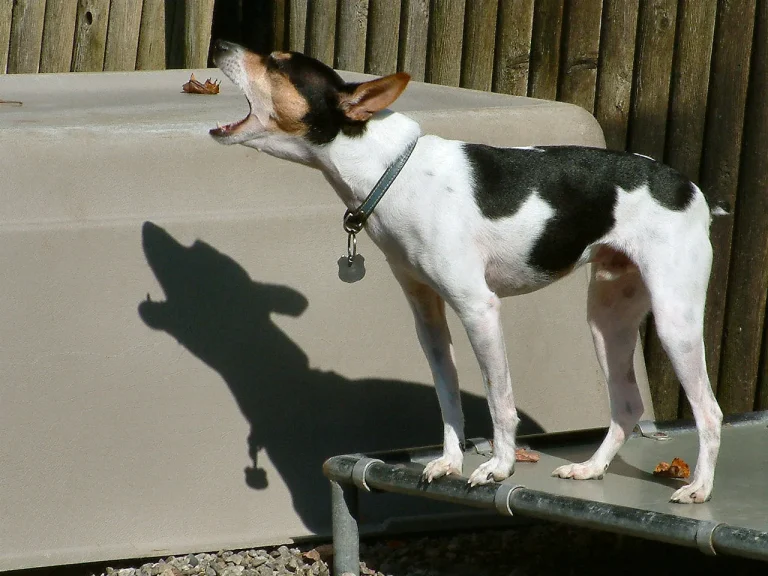
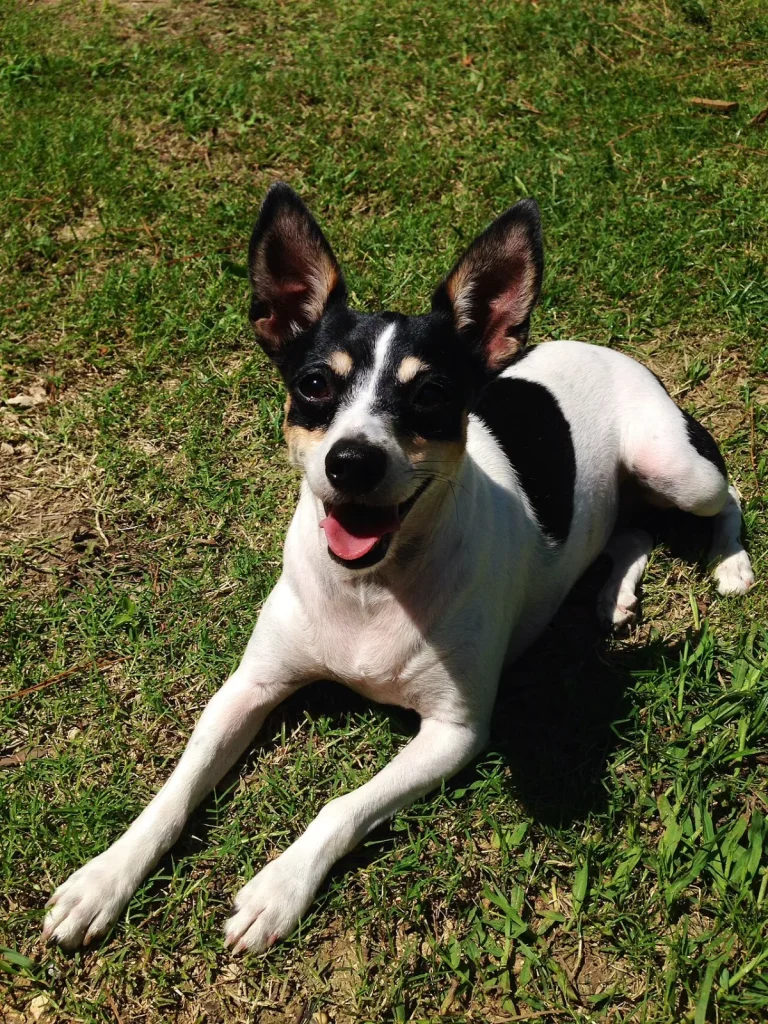
Rat Terriers can often live peacefully with cats, especially when they are raised together, but they should never be trusted alone with pet rodents, rabbits or birds. The breed was created to catch and kill small animals quickly, and that instinct does not disappear because the small animal has a name.
Key points
- Cats: frequently workable with careful introductions and a cat that stands its ground.
- Hamsters, gerbils, rats, guinea pigs, rabbits and birds: keep them physically separated, always.
- Other dogs: usually fine, though some Rat Terriers are pushy with dogs of the same sex or size.
- Management (doors, gates, leashes, secure cages) matters more than training.
- If you see stalking or fixated staring that you cannot interrupt, get professional help.
Understanding the instinct
Prey drive is a sequence: notice, stare, stalk, chase, grab, shake. Rat Terriers were selected for the whole sequence, and for doing it fast. Movement is the trigger. A hamster in a ball, a rabbit hopping across the floor, or a cat that bolts all press the same button.
You cannot train an instinct out of a dog. What you can do is teach self-control around a familiar animal, and arrange the house so that mistakes cannot happen.
Rat Terriers and cats
PetMD says the breed usually gets along with other pets, including cats, if raised with them. Individual dogs vary a great deal, and so do cats. A confident adult cat that holds its position is a much easier match than a nervous one that runs.
Introducing them
- Separate at first. Give the cat a room of its own with food, water, litter and high perches. Swap bedding so each gets used to the other’s scent.
- Meet through a barrier. Use a baby gate or a cracked door. Feed both at a distance where each stays relaxed.
- Leash the dog. For the first face-to-face meetings, keep the dog on a leash and reward it for looking at the cat and then back at you.
- Keep it short. End each session while both are calm. Build up over days or weeks, not hours.
- Always give the cat an exit. Shelves, a cat tree, and a gate with a cat-sized gap let the cat leave without running.
Good signs and warning signs
| Encouraging | Slow down or stop |
|---|---|
| Loose body, soft eyes, glances at the cat then away | Hard stare, frozen posture, body lowered |
| Responds to its name and takes treats | Ignores food and cannot be called away |
| Sniffs briefly and moves on | Whining, trembling, lunging or snapping at the barrier |
Do not leave them alone together until you have seen many weeks of calm behavior, and even then make sure the cat can always get up and away.
Rodents, rabbits and birds
This is where the answer is firm. VCA describes the Rat Terrier as especially ill-advised around rodents, and PetMD warns that they may see pocket pets like hamsters as prey. Some individual dogs are calm around caged pets. The risk is that it only takes one unsupervised moment.
- Keep small pets in a room the dog cannot enter, behind a closed door.
- Use a sturdy enclosure with secure latches, raised off the floor.
- Never allow floor time for the small pet when the dog is loose in the house.
- Remember that a dog watching a cage for hours is stressful for the animal inside, even if nothing happens.
Other dogs
Most Rat Terriers enjoy canine company. VCA notes they can be cocky or scrappy with other dogs, and that some may not suit dog parks unless large and small dogs are kept apart. Introduce new dogs on neutral ground, on loose leashes, and feed and give chews separately at home.
Wildlife and the neighbors’ pets
The same instinct applies outdoors to squirrels, chipmunks, and a neighbor’s cat or chickens. Supervise yard time, check fences, and use a leash or long line on walks. See keeping a Rat Terrier safe on walks.
Skills that help
- Leave it and look at me, practiced first with easy things and built up gradually.
- A solid mat or crate settle, so the dog has a default calm behavior.
- A legal outlet for chasing: flirt pole, fetch, tug, and scent games. A dog whose hunting needs are met has more self-control to spare. See enrichment ideas.
If your dog has injured another animal, or fixates so intensely you cannot interrupt it, please work with a certified behavior consultant or veterinary behaviorist. See how to find one.