How to Keep a Rat Terrier Safe on Walks
Prey drive changes the rules. Secure equipment, long lines, recall practice and weather tips for a fast, clever terrier.
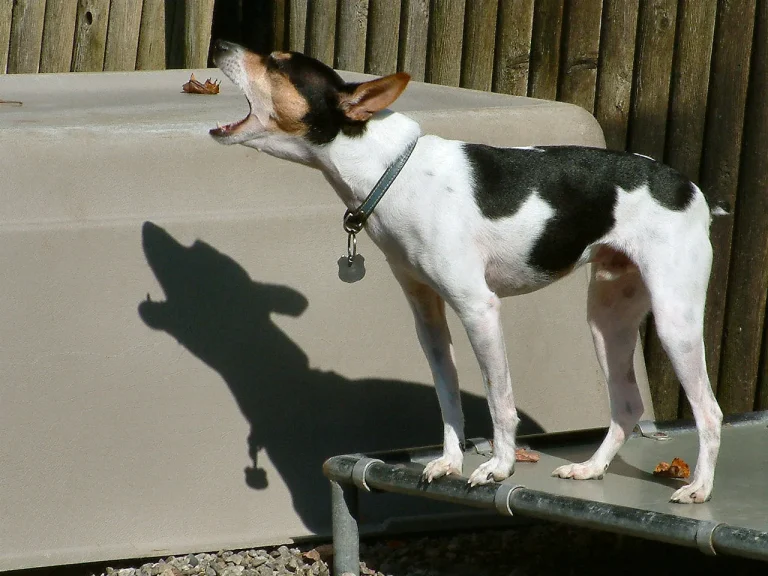
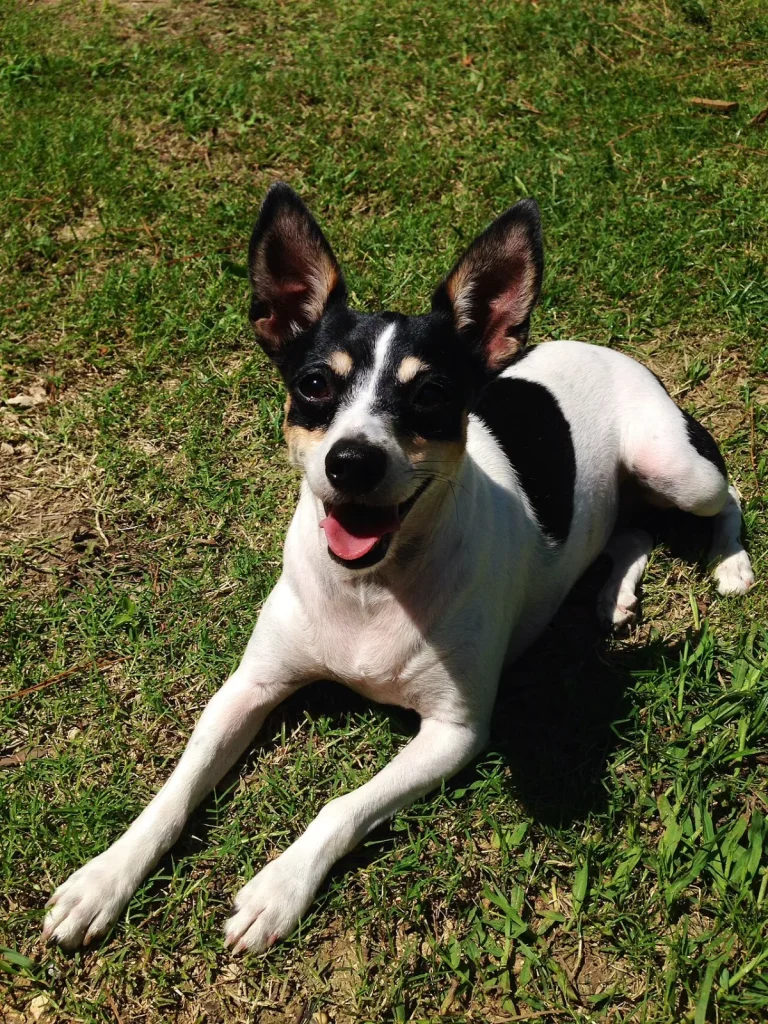
The biggest risk on a walk with a Rat Terrier is the dog’s own instinct. This is a fast, agile terrier bred to chase small animals, and one squirrel can undo a lot of good behavior. Keeping your dog safe comes down to secure equipment, a leash or long line anywhere that is not fenced, and steady recall practice.
Key points
- Use a well-fitted harness or a properly fitted collar that cannot slip over the head.
- Keep ID on the dog and the microchip details up to date.
- Off-leash only in securely fenced spaces unless recall is proven around wildlife.
- Use a long line to give freedom safely while you train.
- Protect a thin-coated dog from heat, cold and hot pavement.
Why prey drive changes the rules
Rat Terriers were developed to hunt vermin. PetMD describes them as persistent and tenacious, and notes that they can be escape artists. When the chase instinct fires, hearing seems to switch off. That is not disobedience so much as genetics, and it is why management matters as much as training.
Equipment that keeps them secure
Harness or collar
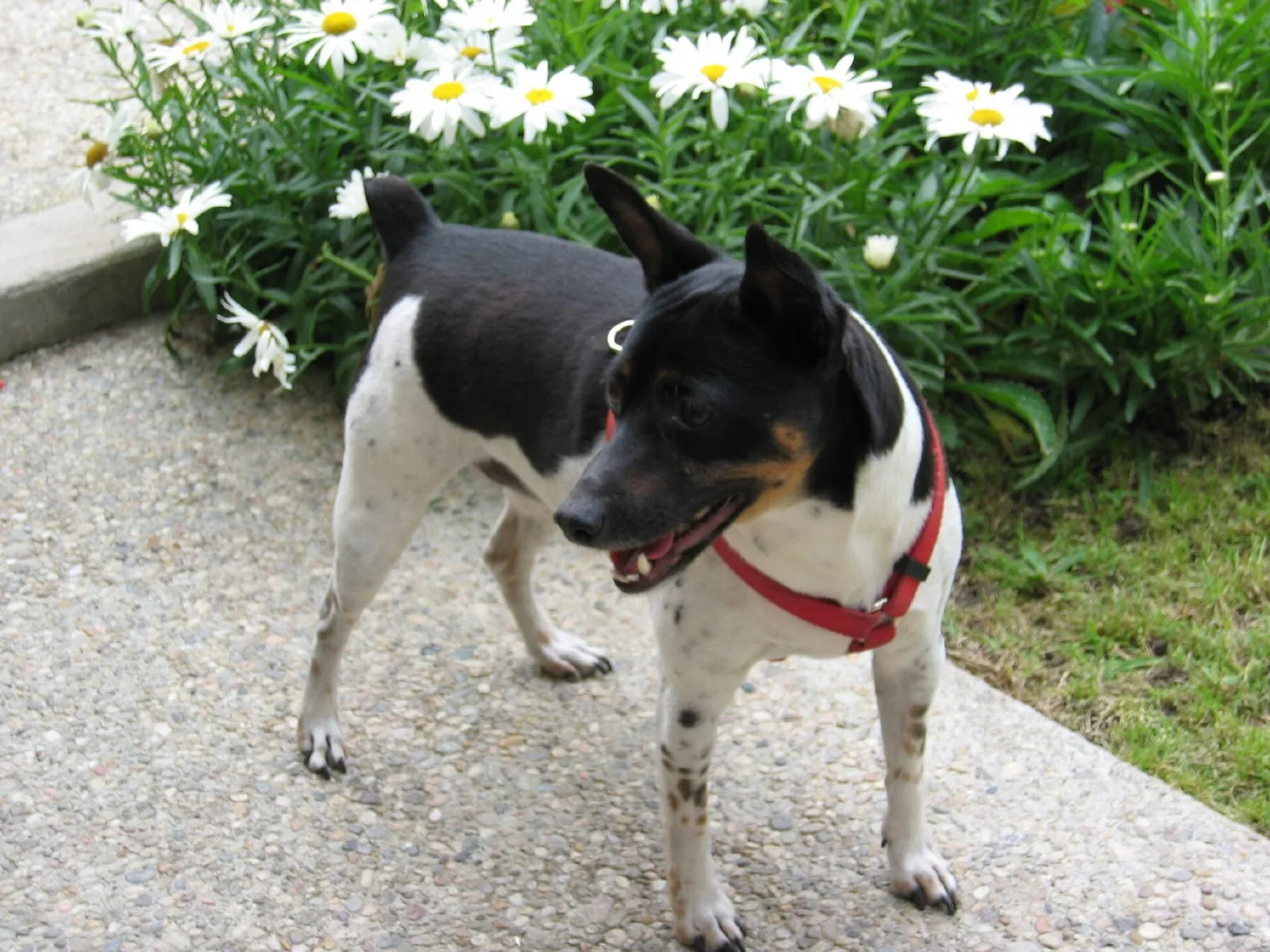
A harness spreads pressure across the chest instead of the throat, which is kinder to a small dog that lunges. Fit is what makes it secure: snug enough that you can slide two fingers under each strap and the dog cannot back out of it. Our guide to choosing a harness explains the types and how to measure.
If you walk on a flat collar, check that it will not slip over the head when the dog pulls backwards. Some owners of narrow-headed dogs use a martingale collar for that reason.
Leash
A fixed 4 to 6 foot leash gives you the most control near roads. Retractable leashes offer very little control and can cause injuries when a dog hits the end at speed, so they are a poor match for a sprinter. See the leash guide.
Long line
A 15 to 30 foot line clipped to the back of a harness (never a collar) lets the dog run and sniff in open areas while you keep a safety backstop. It is the best tool there is for building recall.
ID and visibility
Fit an ID tag, keep microchip registration current, and add a light or reflective gear after dark. A small, low dog is hard for drivers to see.
Recall: train it, but do not gamble on it
- Start indoors with a special cue and a reward the dog gets for nothing else.
- Move to the yard, then quiet outdoor places on a long line.
- Add distractions slowly. Reward heavily for turning away from something interesting.
- Never call to end the fun every time. Often call, reward, and release to play again.
- Do not repeat the cue. If the dog cannot respond, reel in calmly and make the next attempt easier.
Many experienced owners of prey-driven terriers decide their dog is simply never off leash outside a fence. That is a perfectly reasonable conclusion. A dog on a long line with a good sniffing walk is not missing out.
Skills that make walks calmer
- Look at me. Reward eye contact before your dog fixes on a trigger, not after.
- Find it. Scatter a few treats on the ground to bring the nose down and interrupt a stare.
- U-turn. Practice a cheerful “this way” and reward for turning with you.
- Wait at curbs and doors. A short pause before going through prevents bolting.
If your dog lunges, barks or panics at other dogs, people or traffic, that is worth professional help rather than more exposure. See how to choose a trainer.
Weather and ground
- Heat. Walk in the cooler parts of the day and carry water. Test pavement with the back of your hand.
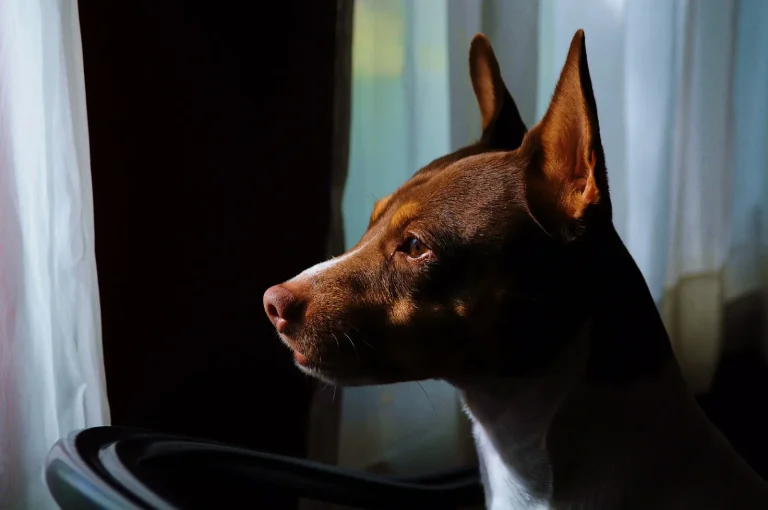
- Cold and wet. VCA notes that the thin coat and small size make the breed vulnerable to chilling. A fitted coat helps.
- Paws. Check for cuts, burrs and, in winter, de-icing salt.
Dog parks and other dogs
VCA cautions that Rat Terriers may not do well at dog parks unless large and small dogs are separated, and that some can be scrappy with other dogs. Choose quiet times, watch body language, and leave if play gets rough. Well-matched playdates are often a better bet.
Yard and door safety
- Check fences for gaps and soft ground along the base.
- Do not leave the dog unsupervised in the yard for long periods.
- Teach a wait at open doors and car doors, and clip the leash on before the door opens.
In the car
An unrestrained dog is a danger to itself and to you. Use a secured crate or a restraint designed for vehicle use, and never leave a dog in a parked car in warm weather. Our travel gear guide explains what to look for, including independent crash testing.