How to Train a Rat Terrier Puppy: The First Skills to Teach
Reward-based puppy training for a clever, easily bored terrier: what to teach first, how long to train, and the mistakes to avoid.
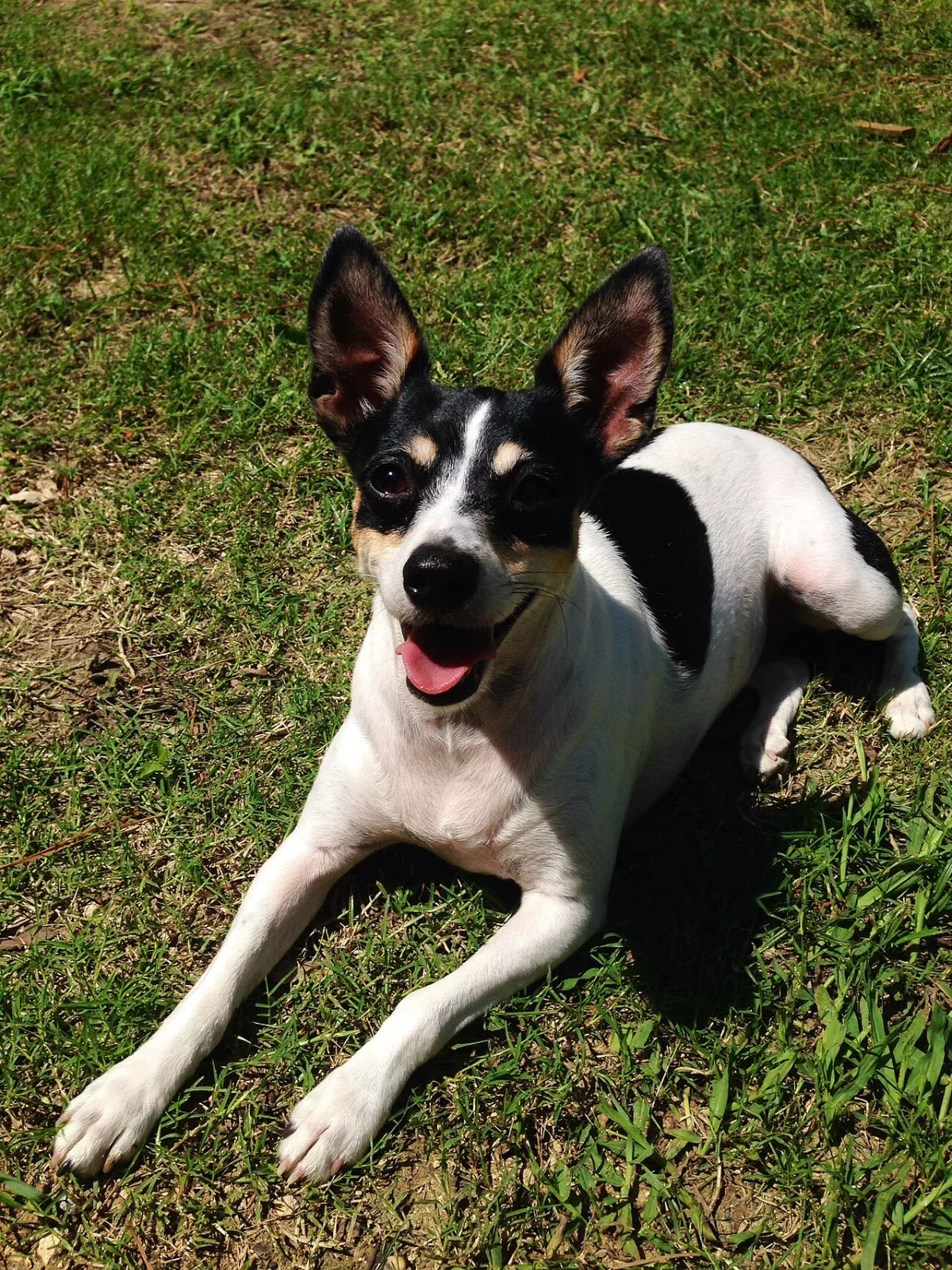
Rat Terrier puppies learn fast, which is good news and a warning. They will learn whatever gets rewarded, whether you meant to teach it or not. The approach that works best is simple: reward what you like, prevent what you do not, keep sessions very short, and start the day your puppy comes home.
Key points
- Use rewards, not punishment. The American Veterinary Society of Animal Behavior recommends reward-based methods for all dog training.
- Train in sessions of two to five minutes, several times a day.
- Teach name, recall and settling first. Tricks can wait.
- Socialize early and gently, in line with your vet’s vaccination advice.
- Manage the environment so the puppy cannot rehearse chasing, barking or chewing the wrong things.
Why Rat Terriers train differently
This is a bright, independent terrier bred to make its own decisions while hunting. VCA describes the breed as eager to please and quick to learn, but easily bored and distracted. In practice that means two things. Repetition switches them off, so stop while the puppy still wants more. And the environment is always competing with you, so you need rewards worth working for and distractions added slowly.
Set up before you train
- A safe space. A crate or pen where the puppy can rest and cannot get into trouble. Introduce it with meals and treats so it becomes a place the puppy chooses. Our crate guide covers sizing.
- Small, soft treats. Pea-sized pieces, or part of the daily food ration, so training does not add up to overfeeding.
- A marker. A clicker or a short word such as “yes” that tells the puppy the exact moment it got something right.
- A routine. Regular times for meals, toilet trips, play and naps. Predictability makes house training far quicker. See the first 30 days.
The first skills to teach, in order
1. Name means “look at me”
Say the name once. The instant the puppy looks at you, mark and treat. Do ten repetitions a day in different rooms. This becomes the foundation for everything else.
2. House training
Take the puppy out after waking, after eating, after play, and at least every hour or two at first. Go to the same spot, wait quietly, then reward outside the moment they finish. Supervise or confine indoors so accidents cannot become a habit. If one happens, clean it with an enzymatic cleaner and move on. Punishing after the fact teaches the puppy to hide, not to hold it.
3. Come when called
Start indoors. Say the cue once in a happy voice, run backwards a few steps, and pay generously when the puppy arrives. Never call a puppy to you for something it dislikes. Recall matters more for this breed than most, because of what happens when a squirrel appears. Build it on a long line outdoors before you ever trust it off leash. More in keeping a Rat Terrier safe on walks.
4. Sit, down and a hand target
Lure with a treat at the nose, mark the position, reward. Fade the food lure quickly so the hand signal, then the word, does the work. A nose-to-hand target is a useful extra: it lets you move the dog without pulling on the collar.
5. Settle on a mat
Reward any calm behavior on a mat or bed, then gradually wait for the puppy to lie down and relax there. A terrier that can switch off is much easier to live with than one that only knows how to go.
6. Leave it and drop it
Teach “leave it” with a treat in a closed fist: the puppy backs off, you mark and reward from the other hand. Teach “drop” by swapping a toy for a treat, then giving the toy back. Both are safety skills for a dog that grabs first and thinks later.
7. Loose-leash walking
Reward the puppy for being beside your leg. If the leash goes tight, stop, wait for slack, then move on. A well-fitted harness keeps pressure off the neck while they learn. See how to choose a harness.
Socialization
According to the American Veterinary Society of Animal Behavior, the first three months of life are the most important period for socialization. The aim is calm, positive exposure to the things your dog will meet as an adult: different people, surfaces, sounds, gentle handling, car rides, and well-mannered vaccinated dogs.
Let the puppy watch from a distance and approach in its own time. Pair new things with food. Talk to your vet about how to balance early outings with your puppy’s vaccination schedule. A well-run puppy class that uses reward-based methods is usually a good option.
Common mistakes
- Sessions that run too long. Five good repetitions beat twenty sloppy ones.
- Repeating cues. Say it once. If nothing happens, make it easier.
- Too much freedom too soon. Unsupervised puppies practice chewing, chasing and barking.
- Harsh corrections. They damage trust and tend to make terriers either shut down or push back.
- Skipping rest. Young puppies need a lot of sleep. An over-tired puppy bites and zooms.
When to get help
If your puppy shows fear that does not improve, growling or snapping over food or toys, or panic when left alone, bring in a qualified professional early. Look for a trainer certified through an organization such as the CCPDT or IAABC, and see how to choose a trainer.
What to read next
- First 30 days with a new Rat Terrier puppy
- Puppy supplies checklist
- Training Plan Generator, for a printable day-by-day plan