Is a Rat Terrier Right for You?
An honest checklist for deciding whether a Rat Terrier fits your home, your schedule and your other pets.
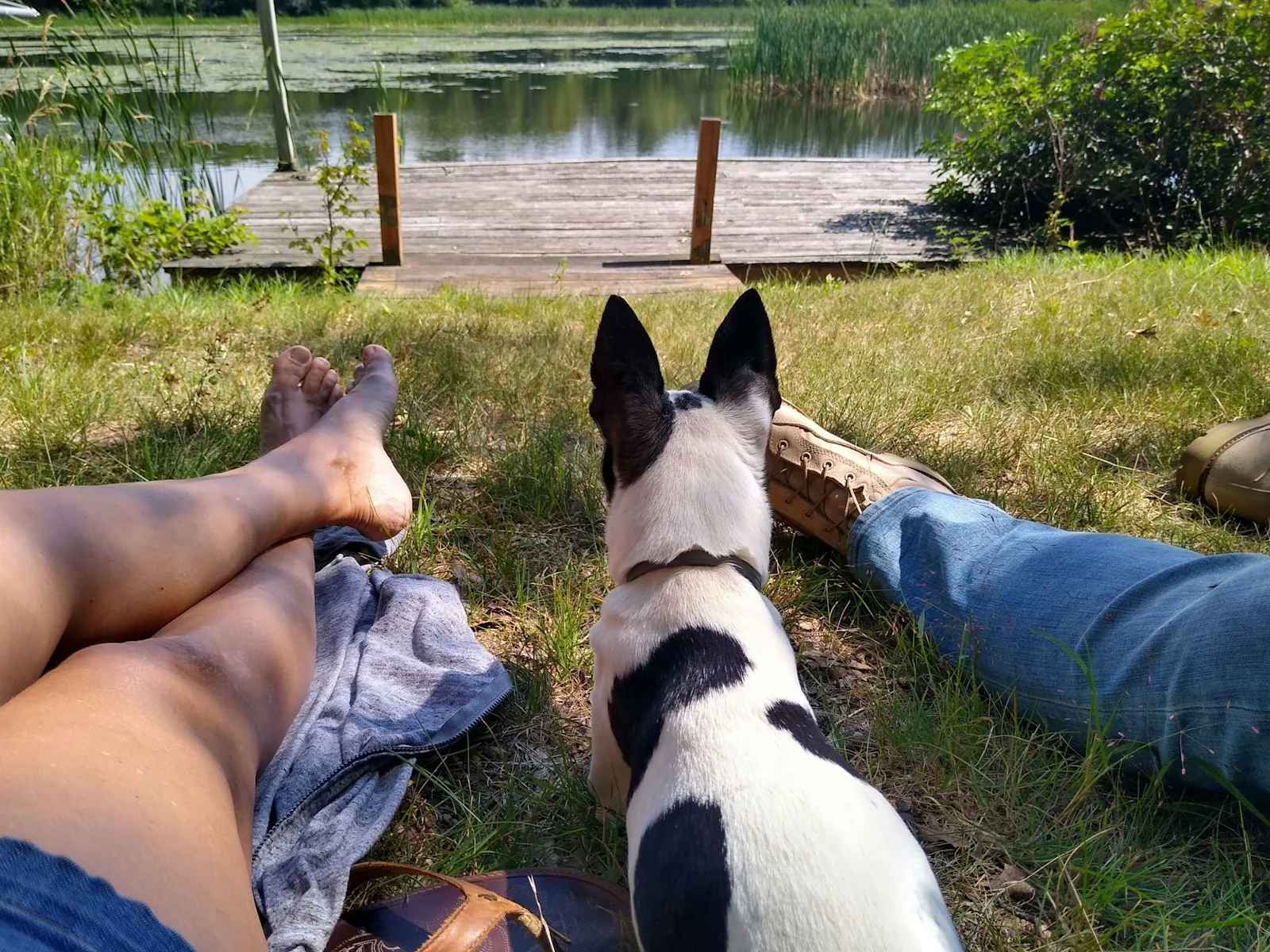
A Rat Terrier is right for you if you want a small, athletic dog that is involved in everything you do, and you have the time and patience for daily exercise and training. It is probably the wrong choice if you want a dog that entertains itself, is reliably quiet, or can share a room with a hamster.
The short version
- Energy: high. Daily walks and play, plus things to think about.
- Company: they want yours. Long days alone do not suit them.
- Training: quick learners who need short, consistent, reward-based sessions.
- Grooming: easy, but they shed.
- Commitment: commonly 12 to 18 years.
Ten honest questions to ask yourself
- Can I give a dog at least 30 minutes of real exercise every day, in all weather, and usually more?
- Am I home enough? If the house is empty nine hours a day, who will break up the dog’s day?
- Do I enjoy training? A clever terrier without direction makes its own plans.
- Can I be consistent? PetMD describes the breed as persistent and in need of firm, consistent rules.
- Is my yard secure, or am I happy to use a leash or long line every time?
- Do I have small pets? Rodents, rabbits and birds will need to be kept completely separate.
- How do I feel about some barking and digging? Both can be managed. Neither can be deleted.
- Can I cope with dog hair? Short hairs, all year.
- Can I budget for a decade and a half of food, preventive care and the occasional emergency?
- Does everyone in the household want this dog?
If you answered yes to most of those, keep reading. If several gave you pause, that is useful information, and far better discovered now.
What owners love
- Affection. They bond closely and like to be near their people.
- Portability. At 10 to 25 pounds they travel easily and fit most homes.
- Brains and humor. They learn tricks quickly and seem to enjoy an audience.
- Stamina. A small dog that can genuinely keep up on a hike.
- Low-fuss coat. No clipping, no professional grooming bills.
What catches people out
- Prey drive. Off-leash freedom is limited for most of them. See walking safety.
- Escape skills. They climb, squeeze and dig.
- Boredom behaviors. Under-exercised, they bark, dig and shred. See barking and digging.
- Dislike of being alone. Several veterinary profiles note this.
- Sensitivity to cold. A thin coat means jackets in winter.
Families, apartments and other pets
Children. Rat Terriers are often affectionate and playful with children, and PetMD recommends supervision, as with any dog. Teach children to let a resting dog be and not to grab or chase. Sturdy, respectful kids and an energetic terrier are usually a good pairing.
Apartments. Size is on your side; noise and energy are the things to plan for. Our apartment living guide covers how to make it work.
Other pets. Dogs are usually fine, cats are often workable with a careful introduction, and small caged pets must be kept apart. Details in Rat Terriers with cats and small pets.
Miniature or standard?
The breed comes in two size varieties: miniatures stand about 10 to 13 inches at the shoulder and standards about 13 to 18 inches. Temperament and care are the same. Smaller dogs are a little easier to carry and travel with, and a little more fragile around rough play; larger ones tend to be more robust hiking partners.
Puppy, adult or rescue?
- Puppy. You shape the early experiences, and you take on house training, teething and adolescence.
- Adult. What you see is closer to what you get: size, energy and temperament are known.
- Rescue. Breed rescues place Rat Terriers and mixes of all ages, and can often tell you how a particular dog behaves with cats, children and other dogs.
Whichever route you choose, our adoption checklist lists the questions to ask and the red flags to walk away from.