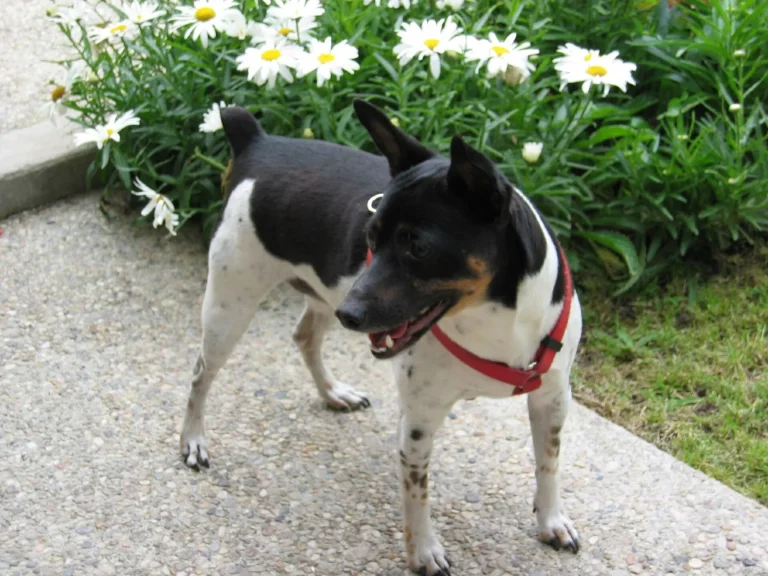
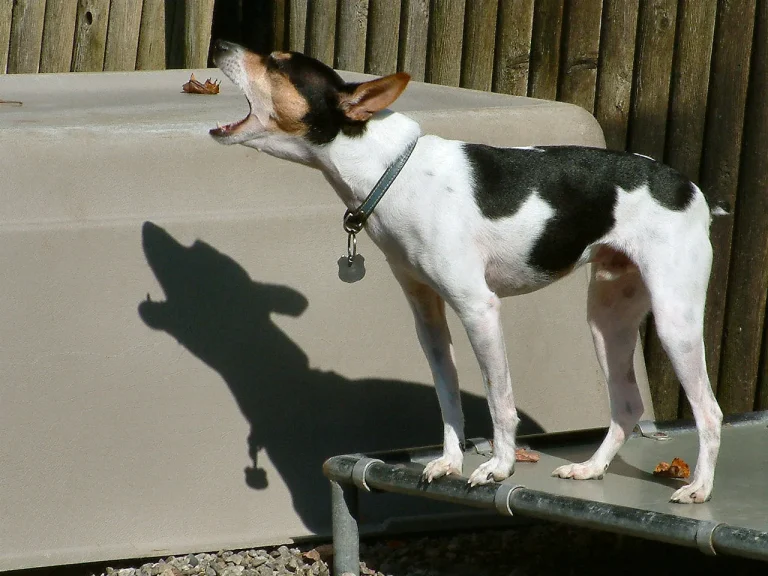
How to Choose a Trainer for Your Rat Terrier
Dog training is unregulated. The credentials to look for, the questions to ask, and the red flags to walk away from.
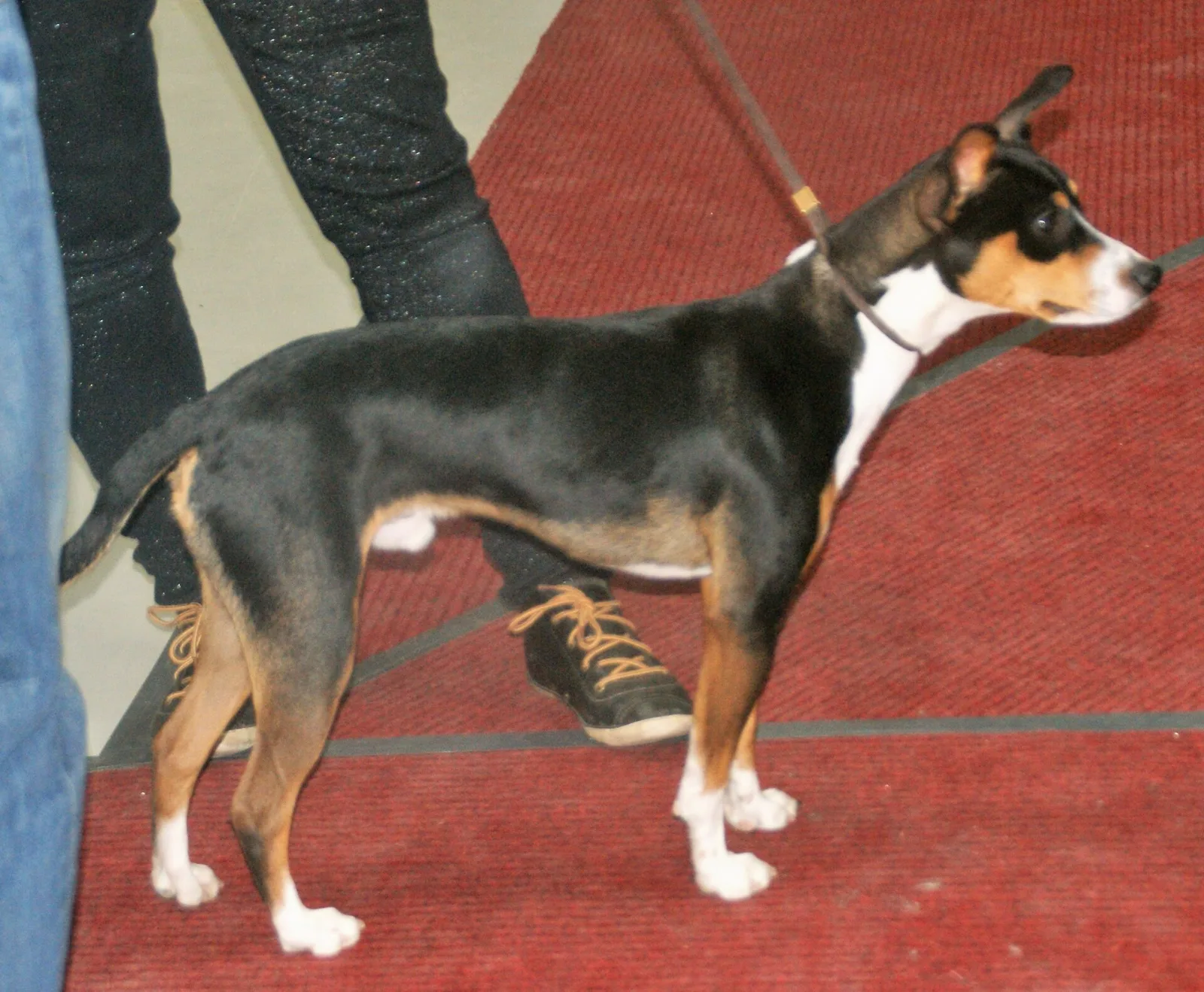
Dog training is an unregulated field. Anyone can call themselves a trainer or behaviorist, so the work of checking falls to you. For a Rat Terrier, look for someone who uses reward-based methods, holds an independent certification, and is comfortable with clever, easily bored, prey-driven dogs.
What to look for
- Reward-based methods, explained clearly.
- An independent credential, not just a certificate from the trainer’s own course.
- Willingness to let you watch a class before you sign up.
- No guarantees, and no shock, prong or choke collars.
- For fear, aggression or separation problems: a behavior specialist, starting with your vet.
Why method matters
The American Veterinary Society of Animal Behavior recommends that only reward-based methods are used for all dog training, and advises against aversive methods because of the risk of increased fear and aggression. Terriers in particular tend to respond to harsh handling by either shutting down or arguing back. Reward-based training gets better results and keeps the dog keen to work with you.
Credentials worth knowing
| Credential | Who issues it | Good for |
|---|---|---|
| CPDT-KA / CPDT-KSA | Certification Council for Professional Dog Trainers | Puppy classes, manners, general training |
| KPA CTP | Karen Pryor Academy | Clicker and reward-based skills training |
| CDBC / ACDBC | International Association of Animal Behavior Consultants | Behavior problems such as fear and reactivity |
| CAAB | Animal Behavior Society | Complex behavior cases |
| DACVB | American College of Veterinary Behaviorists | Veterinarians who specialize in behavior and can prescribe medication |
A credential is a starting point, not a guarantee. Still watch a session and ask questions.
Questions to ask before you book
- What happens when my dog gets it right?
- What happens when my dog gets it wrong?
- What equipment do you use, and is there anything you will not use?
- What are your qualifications, and do you do continuing education?
- Have you worked with terriers or other high prey-drive dogs?
- Can I observe a class first?
- What will you ask me to practice at home?
Good answers to the first two sound like “food, play and praise” and “we make it easier and try again.” Be wary of words like “correction,” “dominance,” “pack leader” or “balanced” used to explain why a dog needs to be made uncomfortable.
Red flags
- Guaranteed results or a fixed number of sessions to “fix” a dog.
- Shock collars, prong collars, choke chains, or spray and startle devices.
- You are not allowed to watch, or the dog is trained out of your sight.
- Dogs in class that look worried: tails tucked, ears back, avoiding the trainer.
- Advice to stop feeding treats because the dog “should work for you.”
What a good beginner class looks like
- Small groups with space between dogs.
- Short exercises with frequent breaks, which suits a Rat Terrier’s attention span.
- Vaccination requirements for puppies, and a clean floor.
- Practical skills: attention, recall, loose-leash walking, settling, polite greetings.
- Coaching for you. Most of the class is teaching the owner.
Bring high-value treats, a harness or flat collar, and a mat. Sit at the edge of the room at first if your dog is excitable.
Trainer, behavior consultant or veterinary behaviorist?
- Trainer: manners, puppy skills, recall, leash walking, sports.
- Behavior consultant: reactivity, fear, resource guarding, problems between pets.
- Veterinary behaviorist: aggression with bites, severe anxiety, separation distress, sudden behavior change.
Start with your vet if behavior changes suddenly or involves aggression. Pain and illness are common hidden causes, and your vet can refer you to the right specialist.
Getting the most from training
- Practice for a few minutes several times a day, not once a week in class.
- Keep everyone in the household using the same cues and rules.
- Exercise your dog lightly before class, not to exhaustion.
- Tell the trainer what is and is not working. A good one will adapt.
The plan generator below produces a day-by-day outline you can follow between classes. For the basics, see how to train a Rat Terrier puppy.
Sources
Interactive tool
Training Plan Generator
Pick a focus — puppy foundation, leash walking, 30-day obedience, recall, crate, leave-it, enrichment, or scent work — and get a printable day-by-day plan.
Positive-reinforcement only. For serious fear, aggression, or reactivity, work with a certified trainer (CCPDT, IAABC, KPA).