Rat Terrier Barking and Digging: Why It Happens and What Helps
Both behaviors are terrier instinct. Work out the cause, meet the need behind it, and teach a quieter alternative.
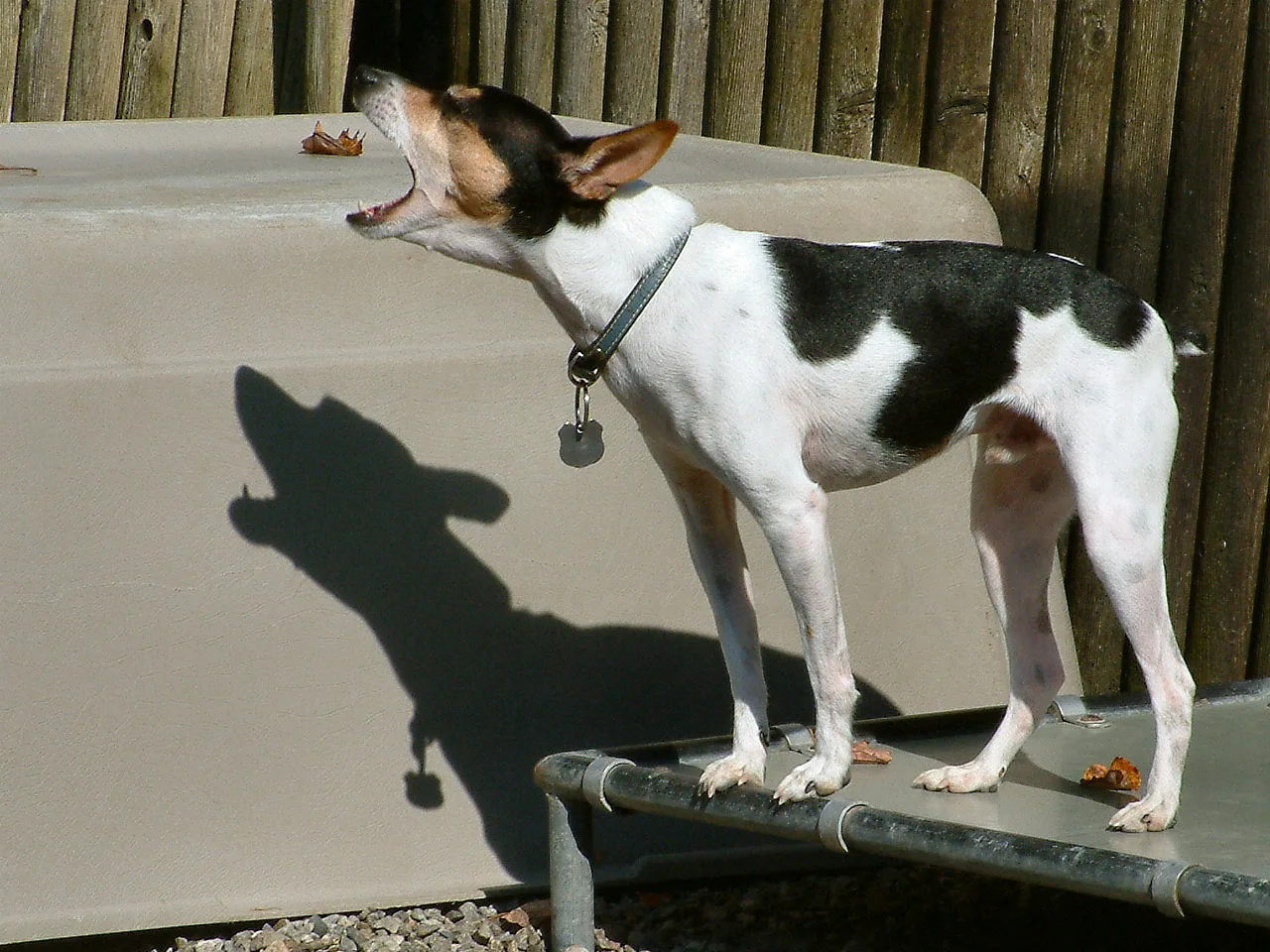
Barking and digging are not faults in a Rat Terrier. They are what a small hunting terrier was bred to do: sound the alarm, and go to ground after prey. You are unlikely to remove either behavior entirely, but you can reduce both a great deal by meeting the need behind them and making the unwanted version less rewarding.
Key points
- Work out why your dog is doing it first. Boredom, alerting, fear and loneliness need different fixes.
- More exercise and mental work solves a surprising share of both problems.
- Manage the environment so the dog gets fewer chances to practice.
- Teach an alternative, and reward quiet and calm generously.
- Skip punishment and anti-bark devices that startle or hurt. They add stress without teaching anything.
Why Rat Terriers bark
PetMD describes the breed as not generally a nuisance barker, with the caveat that a bored or lonely Rat Terrier may well become one. The reason matters, because it decides the solution.
| Type | What it looks like | What helps |
|---|---|---|
| Alert | Doorbell, people passing, noises outside | Block the view, teach “thank you, go to mat” |
| Boredom | Repetitive barking with nothing obvious to bark at | More exercise, puzzle feeders, training games |
| Demand | Barking at you for food, play or attention | Ignore the bark, reward quiet, ask for a sit first |
| Fear or reactivity | Barking and lunging at dogs, people or objects | Distance, reward-based behavior work, professional help |
| Distress when alone | Barking or howling soon after you leave, often with pacing or destruction | Veterinary and behavior support; see below |
A plan for barking
1. Meet the needs first
A Rat Terrier that has had a proper walk, a chance to sniff, and ten minutes of brain work has far less to say. See how much exercise they need.
2. Cut down the triggers
Use window film or move furniture so the dog cannot patrol the front window. Play background noise to mask sounds from the hallway. Bring the dog in from the yard rather than leaving it to bark at the fence.
3. Teach what to do instead
For alert barking, let the dog bark once or twice, say “thank you,” then scatter a few treats on its mat. With repetition, the doorbell becomes the cue to run to the mat. For demand barking, wait for a second of silence, then reward. Be consistent: giving in now and then makes it much worse.
4. Reward quiet
Catch your dog being calm when a trigger passes and pay for it. Most people only react when the noise starts.
Why Rat Terriers dig
- Instinct. Terriers were bred to dig after burrowing animals. Mole runs and chipmunk holes are irresistible.
- Boredom. PetMD notes that terriers may dig when under-stimulated.
- Comfort. A cool hollow in hot weather, or a nest in the bedding.
- Escape. Digging along a fence line usually means there is something on the other side they want.
A plan for digging
Give them somewhere legal to dig
A child’s sandbox or a marked corner of the yard works well. Bury a toy or a few treats just under the surface and praise the dog for digging there. When it starts elsewhere, calmly lead it to the dig spot.
Supervise the yard
The breed has a reputation for escaping, and PetMD advises against leaving them alone in a backyard. Go out with them, make yard time active, and bring them in when you cannot watch.
Secure the fence line
Bury wire mesh along the base or lay paving slabs where the dog targets. Check regularly for new gaps.
Offer other outlets
Snuffle mats, scatter feeding and scent games all tap the same search-and-forage drive. Our enrichment guide has plenty of ideas.
What not to do
- Do not shout. To a terrier, you have just joined in.
- Do not use shock, spray or ultrasonic bark devices. The American Veterinary Society of Animal Behavior advises against aversive training methods, which can increase fear and aggression.
- Do not punish after the fact. The dog will not connect a telling-off with a hole dug an hour ago.
Barking when left alone
Rat Terriers are people dogs and several veterinary profiles note they dislike long periods alone. Barking that starts when you leave, especially with pacing, drooling, destruction around doors, or toileting indoors, may be separation-related distress rather than boredom. A camera will tell you which.
Separation-related problems rarely improve with more toys or by “letting them cry it out.” Speak to your vet, who can rule out medical causes and refer you to a qualified behavior professional. Our page on choosing a trainer explains the credentials to look for.