Rat Terrier Breed Guide: Temperament, Size, Exercise and Care
What a Rat Terrier is really like to live with: size, temperament, energy, grooming, health, and who the breed suits.

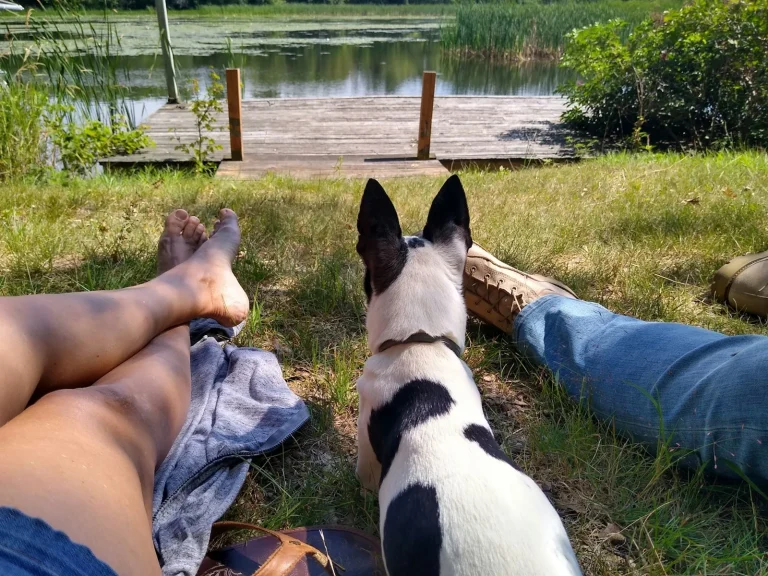
The Rat Terrier is a small, smooth-coated American farm dog: quick, clever, affectionate with its own people, and built to work all day. It makes a wonderful companion for an owner who enjoys an active, involved dog, and a frustrating one for somebody hoping for a quiet lap dog. This guide covers what the breed is actually like to live with.
Key points
- Two sizes: miniature (about 10 to 13 inches at the shoulder) and standard (about 13 to 18 inches), usually 10 to 25 pounds.
- Commonly quoted lifespan is 12 to 18 years, so this is a long commitment.
- High energy and a strong prey drive. Daily exercise and something to think about are not optional.
- Easy coat: a weekly brush, but they do shed.
- Happiest when included in family life. They do not thrive left alone all day.
Rat Terrier at a glance
| Trait | What to expect |
|---|---|
| Size | Miniature about 10–13 in; standard about 13–18 in at the shoulder |
| Weight | Roughly 10–25 lb, in proportion to height |
| Lifespan | Most sources give 12–18 years; VCA quotes 12–16 |
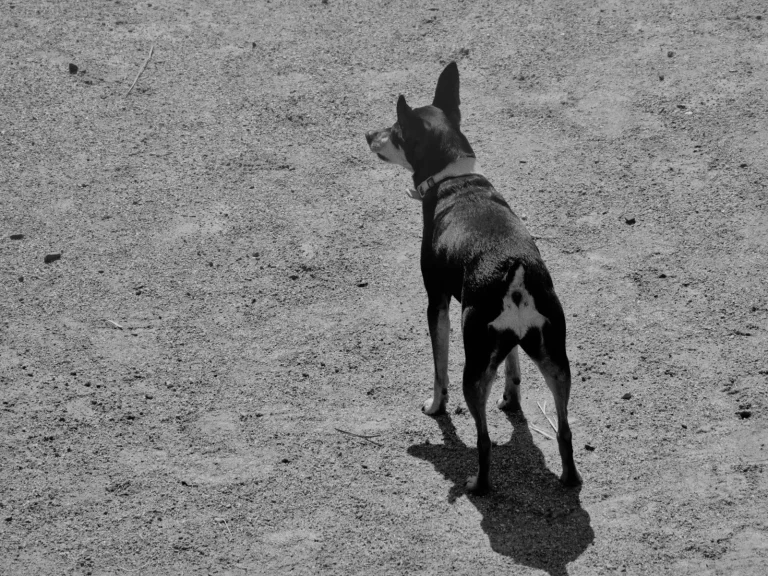
| Coat | Short, smooth and dense, usually white with patches of one or more colors |
| Shedding | Year-round, heavier in spring and fall |
| Energy | High. Needs daily exercise plus mental work |
| AKC group | Terrier |
Where the breed comes from
Rat Terriers were developed in the United States as all-purpose farm dogs, valued above all for clearing barns of rats and other vermin. Their ancestry is a practical mix. Breed histories commonly list the Smooth Fox Terrier and Manchester Terrier, with Whippet, Italian Greyhound and Beagle added along the way for speed and nose. The name is often credited to President Theodore Roosevelt, who kept terriers of this type.
That working background explains nearly everything about the dog in front of you: the speed, the stamina, the intense interest in anything small that moves, and the habit of thinking for itself.
Temperament: what they are like at home
The American Kennel Club describes Rat Terriers as happy-go-lucky, playful and portable. Owners tend to add a few more words: loyal, funny, busy, and persistent.
- Devoted to their people. Most bond closely with their family and want to be wherever you are. Veterinary breed profiles consistently note that they do poorly when left alone for long stretches.
- Often reserved with strangers. Many take a moment to warm up. Early, positive socialization makes a real difference.
- Quick to learn, quick to get bored. They pick things up fast and lose interest just as fast if training is repetitive.
- Driven to chase. Squirrels, rabbits and pet rodents all trigger the instinct they were bred for. See our guide to Rat Terriers with cats and small pets.
- Vocal when under-stimulated. They are not usually nuisance barkers, but a bored or lonely Rat Terrier will find its voice. We cover that in barking and digging.
Exercise and mental stimulation
Plan on real activity every day. Chewy’s veterinary-reviewed profile suggests a minimum of 30 minutes; VCA describes a daily walk plus several play sessions. Many healthy adults happily do more. Just as important is giving the brain a job: short training sessions, scent games, puzzle feeders, or a dog sport such as agility or nose work.
Our full breakdown by age is in How much exercise does a Rat Terrier need?
Grooming and coat care
This is a low-maintenance coat, not a no-maintenance one. Brush about once a week with a rubber curry or grooming mitt, bathe only when the dog needs it, and keep up with nails and teeth. Because the coat is thin, VCA notes the breed chills easily, so many owners use a jacket in cold or wet weather.
Step-by-step instructions are in our Rat Terrier grooming guide.
Health
Rat Terriers are generally sturdy, long-lived dogs. The conditions most often mentioned in veterinary breed profiles are luxating patellas (loose kneecaps), hip problems including hip dysplasia and Legg-Calvé-Perthes disease, primary lens luxation, heart disease, and skin allergies. The AKC lists a patella evaluation, hip evaluation, cardiac exam and a primary lens luxation DNA test as the screening recommended by the national breed club.
None of this means your dog will have these problems. It does mean a good breeder can show you test results, and it gives you sensible things to ask about at checkups. See Rat Terrier health questions to discuss with your vet.
Who the breed suits
| A good match if you… | Think carefully if you… |
|---|---|
| Want an active dog to walk, hike and train with | Want a calm dog that needs little exercise |
| Are home a good part of the day, or can bring the dog along | Are out for long working days with nobody home |
| Enjoy training and are consistent with rules | Would rather not train at all |
| Have a securely fenced yard, or are happy to use a leash | Keep rabbits, hamsters or other small pets loose in the house |
They can do well in apartments and with children, given exercise, supervision and training. Our pages on apartment living and whether a Rat Terrier is right for you go deeper.
What to read next
- Is a Rat Terrier right for you? An honest checklist before you commit.
- Responsible adoption checklist, including questions for breeders and rescues.
- How to train a Rat Terrier puppy.