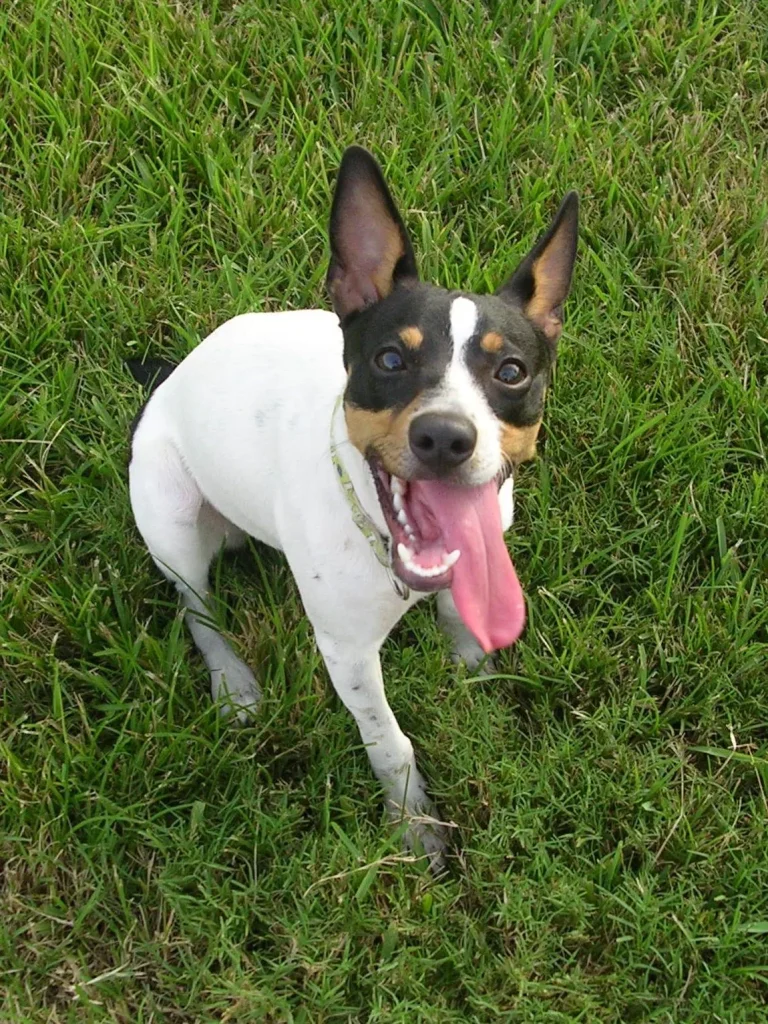
Rat Terrier Grooming: Brushing, Bathing and Nail Care
A simple routine for a short, shedding coat: weekly brushing, occasional baths, nails, teeth, and the skin changes to watch for.
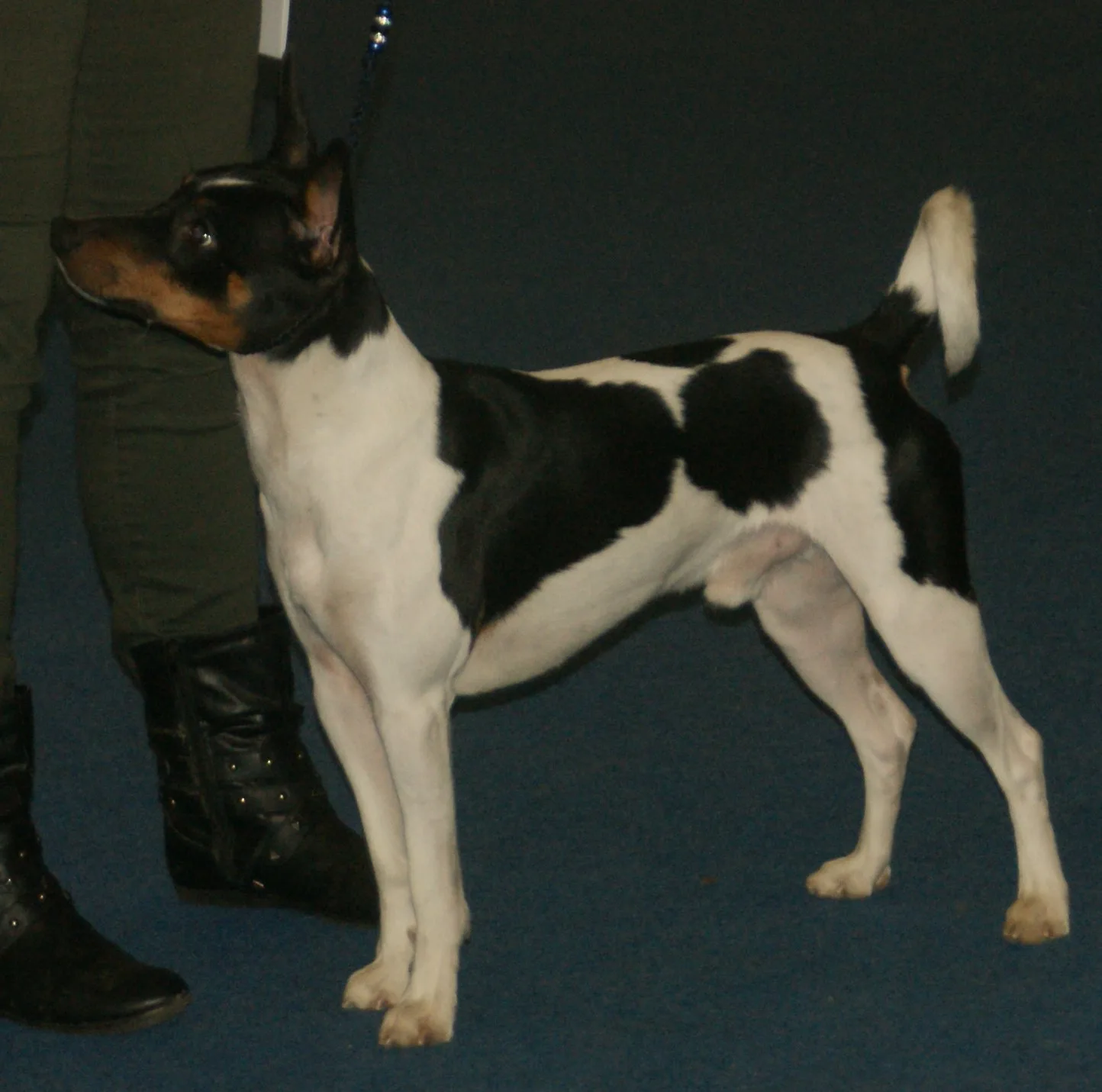
Rat Terriers are easy to groom. The coat is short, smooth and needs no trimming, so a weekly brush, an occasional bath, and regular nail and tooth care cover almost everything. The catch is that they do shed, and their skin can be sensitive, so a little routine goes a long way.
Key points
- Brush about once a week; more often in spring and fall when shedding peaks.
- Bathe only when needed, roughly monthly at most, with a dog shampoo.
- Trim nails every few weeks, before they click on hard floors.
- Brush teeth daily if you can. It is the most useful grooming habit of all.
- Check ears, eyes and skin while you groom, and tell your vet about changes.
A simple grooming schedule
| Task | How often | Notes |
|---|---|---|
| Brushing | Weekly | Several times a week during seasonal sheds |
| Bath | When dirty or smelly | About once a month at most |
| Nails | Every 2–4 weeks | Little and often is easier than a big trim |
| Teeth | Daily | Dog toothpaste only |
| Ears and eyes | Quick look weekly | Clean ears only if your vet advises it |
You can keep track with our free Grooming Tracker, which saves entries in your own browser.
Brushing and shedding
PetMD describes the shedding as mild year-round and heavier in spring and fall. The hairs are short and stiff and tend to weave into fabric, so removing them at the source is worth the two minutes it takes.
- Use a rubber curry brush or grooming mitt in small circles to lift loose hair, then a soft bristle brush to sweep it away.
- Brush outdoors, or on a towel you can shake out.
- Go gently over the belly and inner thighs, where the coat is thinnest.
- Wipe the dog down with a damp cloth afterwards to pick up what is left.
See our guide to grooming tools for which type of brush does what.
Bathing
Over-bathing strips the natural oils that protect the skin. PetMD suggests bathing only as needed and not more than about once a month.
- Brush first to remove loose hair.
- Use lukewarm water and a shampoo made for dogs.
- Keep water and shampoo out of the eyes and ear canals.
- Rinse thoroughly. Leftover shampoo is a common cause of itching.
- Towel dry well. With so little coat they get cold quickly.
Skin: what to watch for
PetMD notes that Rat Terriers have sensitive skin, particularly on the belly, and can be prone to allergies. Grooming is your regular chance to notice a problem early.
Book a vet visit for persistent scratching or licking, red bumps, scabs, hair loss, a strong odor, or head shaking and dark discharge from the ears. Skin and ear problems are easier to treat early, and the cause needs a proper diagnosis.
Nail care
Long nails change the way a dog stands and can split. If you hear clicking on a hard floor, they are due.
- Use small scissor-style clippers or a nail grinder. Many dogs tolerate a grinder better once they are used to the sound.
- Take off a sliver at a time. On dark nails, stop when you see a pale oval with a darker dot in the center.
- Do not forget the dewclaws if your dog has them.
- Keep styptic powder nearby in case you nick the quick.
- Pair every session with treats. One paw a day is a perfectly good plan.
Teeth
Small dogs are particularly prone to dental disease. Daily brushing with a dog-safe toothpaste is the standard veterinary recommendation, started in puppyhood if possible. Never use human toothpaste.
If brushing is not going to happen every day, ask your vet about alternatives. The Veterinary Oral Health Council publishes a list of chews, diets and other products that have met its standard for reducing plaque or tartar. Professional cleanings under anesthesia are still needed from time to time; your vet will advise how often.
Ears and eyes
Look, do not dig. Healthy ears are pale pink with little odor or wax. Only clean them if your vet recommends it, using the product they suggest. Check that eyes are clear and bright; redness, squinting or cloudiness needs prompt veterinary attention, particularly in a breed where primary lens luxation is known to occur.
Making grooming easy
- Start young and keep sessions short.
- Handle paws, ears and mouth briefly every day, followed by a treat, outside of grooming time.
- Use a non-slip mat so the dog feels secure.
- Stop before the dog gets fed up, and finish with something they enjoy.