A Realistic Daily Routine for a Rat Terrier
A sample day that balances exercise, brain work, company and rest, with adjustments for puppies, seniors and busy owners.
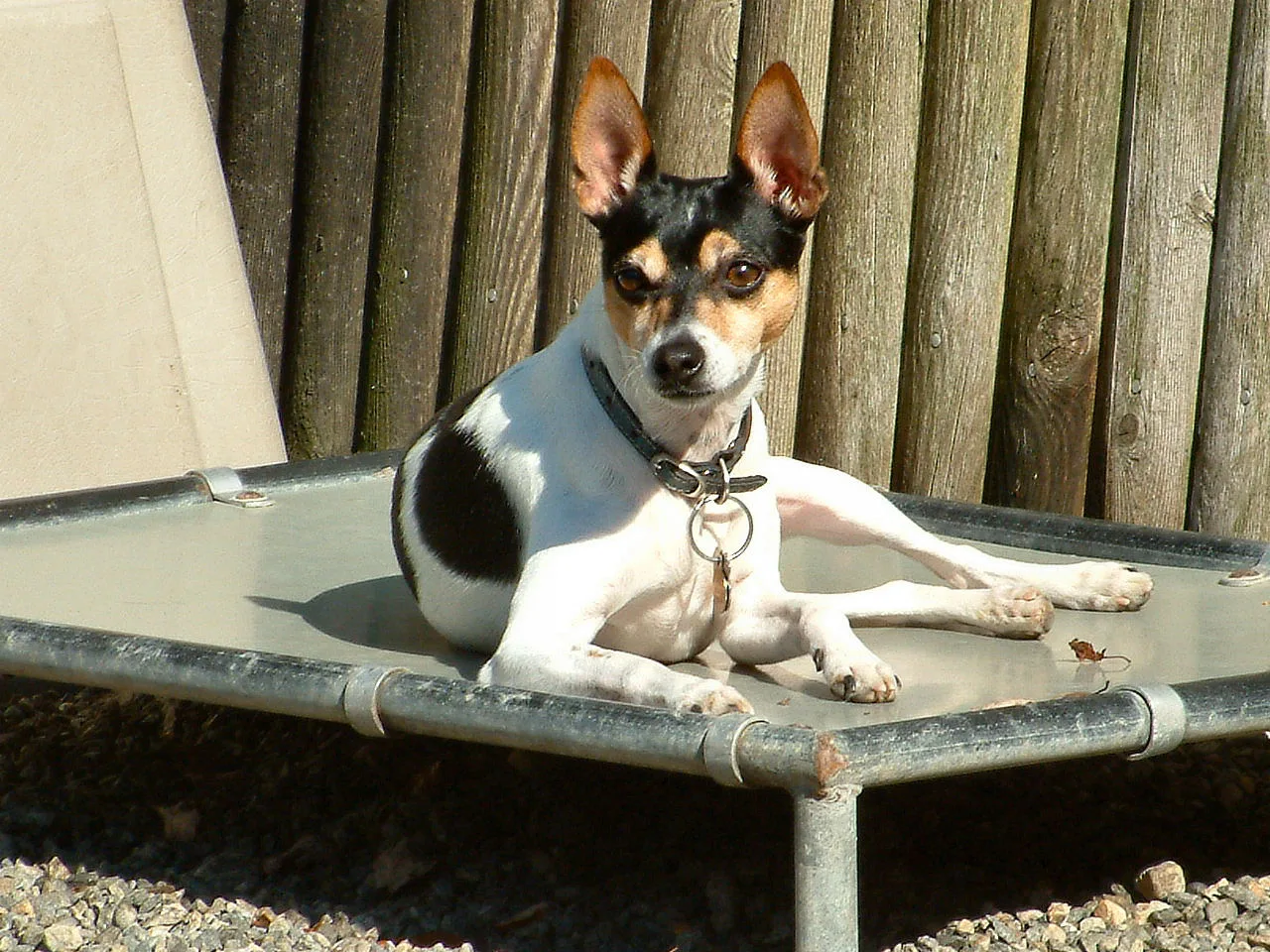
A good day for an adult Rat Terrier has four ingredients: physical exercise, something to think about, time with you, and proper rest. The order and timing can bend around your schedule. What matters is that all four happen most days, at roughly predictable times.
What a balanced day includes
- At least 30 minutes of exercise, usually split into two or three outings.
- Ten to fifteen minutes of mental work: training, scent games or a puzzle feeder.
- Two measured meals.
- Company, and a quiet place to switch off.
- A short break in the middle of a long day alone.
Sample weekday
| Time | Activity | Why it matters |
|---|---|---|
| 7:00 | Toilet trip, then a 20–30 minute walk with time to sniff | Takes the edge off before you leave |
| 7:45 | Breakfast in a puzzle feeder or scattered in a snuffle mat | Turns a two-minute meal into ten minutes of work |
| 8:15 | Settle with a chew as you head out | Makes departures calm and routine |
| 12:30 | Toilet break and five minutes of play or training | Breaks up the day. A dog walker or neighbor can do this |
| 17:30 | Second outing: fetch, tug, a long-line run or a walk | The main energy burn |
| 18:30 | Dinner, then a short training session | Brain work when the dog is attentive |
| Evening | Family time, a chew, a last toilet trip | They want to be with you |
Adjusting it
If you work from home
Resist being available all day. Build in settle time on a mat or in a crate while you work, with scheduled breaks, so the dog does not learn to demand attention every time you stand up.
If you are out all day
Rat Terriers are widely described as dogs that dislike long periods alone. Arrange a midday visit, consider daycare a couple of days a week if your dog enjoys other dogs, and make mornings and evenings count.
For puppies
More naps, more toilet trips, shorter play. See the first 30 days.
For seniors
Shorter, more frequent strolls and softer games. See caring for a senior Rat Terrier.
For bad weather
Swap part of the walk for indoor work: hide-and-seek with treats, stair-free fetch down a hallway, a trick session, or a cardboard box full of paper to shred and search.
Weekly extras
- One longer adventure, such as a hike or a new park, on a leash or long line.
- Brushing once a week and a quick check of ears, eyes and skin.
- Nails every two to four weeks.
- Toy rotation. Put some away and bring them back later so they feel new.
Signs the routine needs more
- Barking at nothing, or at everything.
- Digging, shredding or stealing things to start a chase.
- Restlessness in the evening.
Add mental work before adding miles. Ten minutes of sniffing games is often more settling than another lap of the block. Ideas in our enrichment guide.
Signs it may be too much
- Stiffness or limping after exercise.
- Lagging behind, or lying down on walks.
- A dog that cannot settle because it has learned to expect constant activity.
Rest is part of the plan. Teach a settle and protect nap time. If your dog tires unusually quickly or seems sore, talk to your vet.
The planner below builds a routine around your dog’s age, energy and home. For more detail on how much activity is enough, see How much exercise does a Rat Terrier need?
Sources
Interactive tool
Exercise & Mental Stimulation Planner
Build a realistic daily activity plan tuned to your dog's age, energy, and home environment.
If your dog has joint, growth, pain, or senior concerns — slow down and ask your vet before adding new activity.