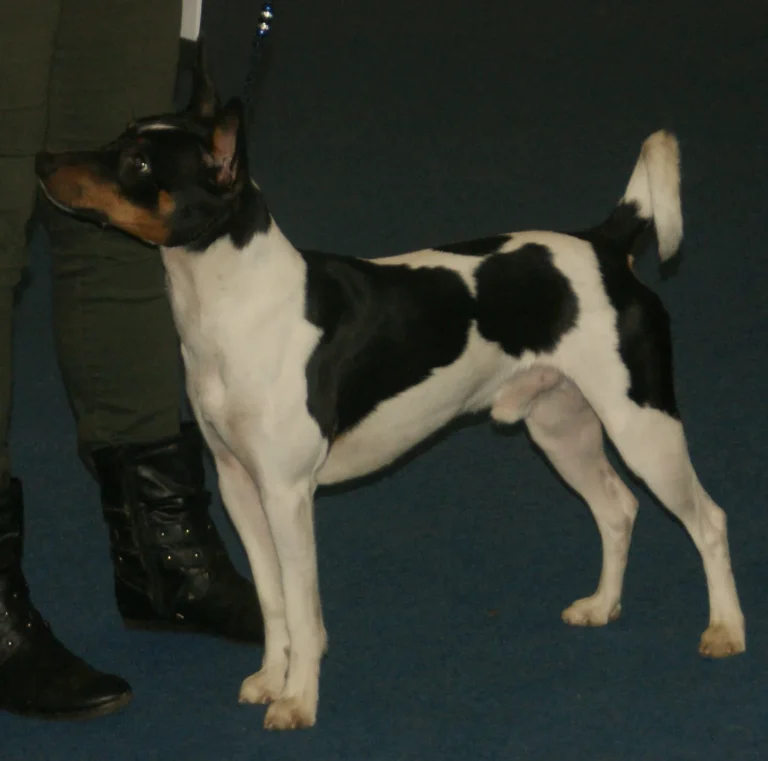
How Much Exercise Does a Rat Terrier Need?
Most adult Rat Terriers need at least 30 minutes of exercise a day, plus mental work. Here is what that looks like by age.
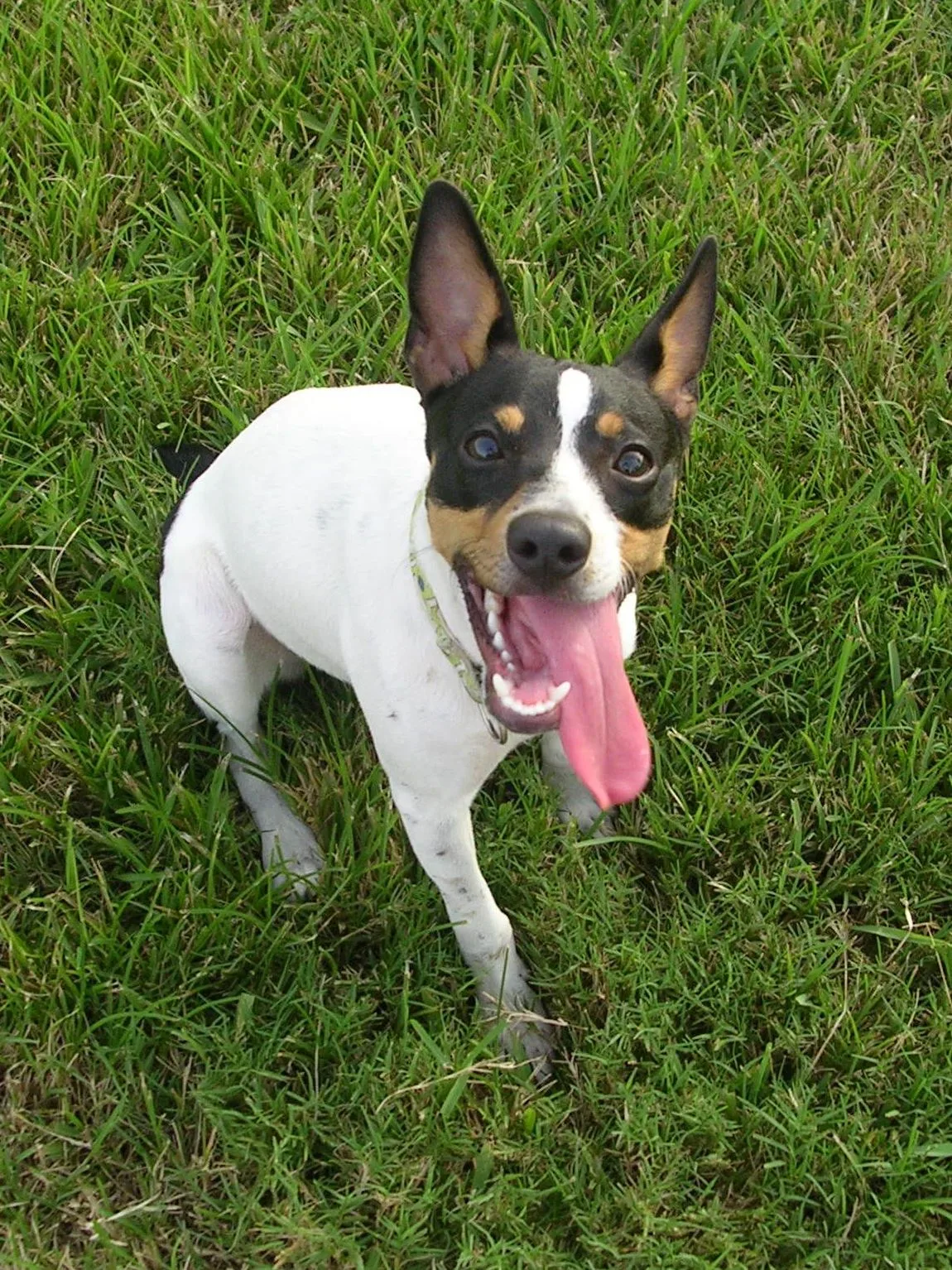
Most healthy adult Rat Terriers need at least 30 minutes of proper exercise every day, and many do better with closer to an hour split across the day, plus something to occupy the brain. The exact amount depends on age, health and the individual dog. A tired body with a bored mind is still a restless terrier.
Key points
- Adults: a daily walk plus active play, at least 30 minutes in total and often more.
- Puppies: several short play sessions rather than long walks.
- Seniors: gentler, shorter outings, guided by comfort and your vet.
- Mental work counts. Ten minutes of scent games can take the edge off as well as a walk.
- Thin coat, small body: watch heat, cold and hot pavement.
How much is enough?
Veterinary breed profiles agree on the shape of it, if not an exact number. Chewy’s veterinarian-reviewed guide gives a minimum of 30 minutes a day. VCA describes a very active, playful dog that needs a daily walk plus several play sessions. PetMD points out that the breed needs regular exercise but does not have to be kept moving constantly.
Use your own dog as the guide. A Rat Terrier that is getting enough will settle at home, sleep well, and greet a walk with enthusiasm rather than frenzy. One that is not will tell you, usually by barking, digging, shredding, or inventing games you would rather it had not.
Exercise by life stage
| Stage | What suits them | Go easy on |
|---|---|---|
| Puppy | Short play sessions, exploring on leash, basic training games | Long forced walks, repetitive jumping, stairs marathons |
| Adolescent | Longer walks, long-line recall practice, puzzle toys, early sport foundations | Off-leash freedom before recall is reliable |
| Adult | Brisk walks, hiking, fetch, tug, agility, nose work | Weekend-only bursts after an idle week |
| Senior | Shorter, more frequent strolls, sniffing walks, gentle games | High-impact jumping, slippery floors, extreme temperatures |
Ask your vet what is appropriate for a growing puppy, and again if your dog has a joint, heart or weight problem. This matters for a breed in which kneecap and hip conditions are known to occur.
Good ways to exercise a Rat Terrier
- Sniffing walks. Let the dog set the pace and follow its nose for part of every walk. It is more satisfying than marching.
- Fetch and tug. Short, intense, and easy to fit into a busy day. Add a “drop” and a pause between throws to build self-control.
- Flirt pole. A toy on a line gives a prey-driven dog a legal outlet for chasing. Keep sessions brief and on good footing.
- Hiking. They have the stamina for it. Keep them on a leash or long line where wildlife is about.
- Dog sports. PetMD lists agility, obedience, flyball, and scent work or tracking among the activities the breed enjoys.
Mental exercise
This is the half people forget. Rat Terriers were bred to search, problem-solve and work independently, and they need a version of that at home.
- Scatter part of dinner in the grass or in a snuffle mat.
- Hide a toy or treats around a room and send the dog to find them.
- Feed from a puzzle feeder or stuffed chew toy.
- Teach a new trick in three-minute sessions.
Our enrichment guide and toy guide have more ideas, and the Enrichment Generator will put together a routine for you.
Weather and safety
- Cold. VCA notes that the breed’s thin coat and small size make it vulnerable to chilling. A jacket and shorter outings help in winter.
- Heat. Walk early or late, carry water, and check pavement with the back of your hand. If it is too hot to hold there, it is too hot for paws.
- Escape risk. They can squeeze through and dig under fences. Supervise in the yard.
- Off-leash. Only in securely enclosed areas unless recall is truly reliable around wildlife. See walking safety.
Stop and call your vet if your dog suddenly tires easily, coughs or faints with exertion, limps, skips on a back leg, or seems reluctant to move. Those are reasons for a checkup, not a longer walk.
A simple daily template
| Time | Activity |
|---|---|
| Morning | 20–30 minute walk with time to sniff, then breakfast from a puzzle feeder |
| Midday | Toilet break and five minutes of training or a find-it game |
| Evening | 15–20 minutes of fetch, tug or a second walk, then a chew while you relax |
Adjust it to your dog. The Exercise Planner builds a plan around age, energy and where you live, and our daily routine template shows how it fits into a full day.