First 30 Days With a New Rat Terrier Puppy
A week-by-week plan for the first month with a Rat Terrier puppy: routine, sleep, house training, the first vet visit and gentle socialization.
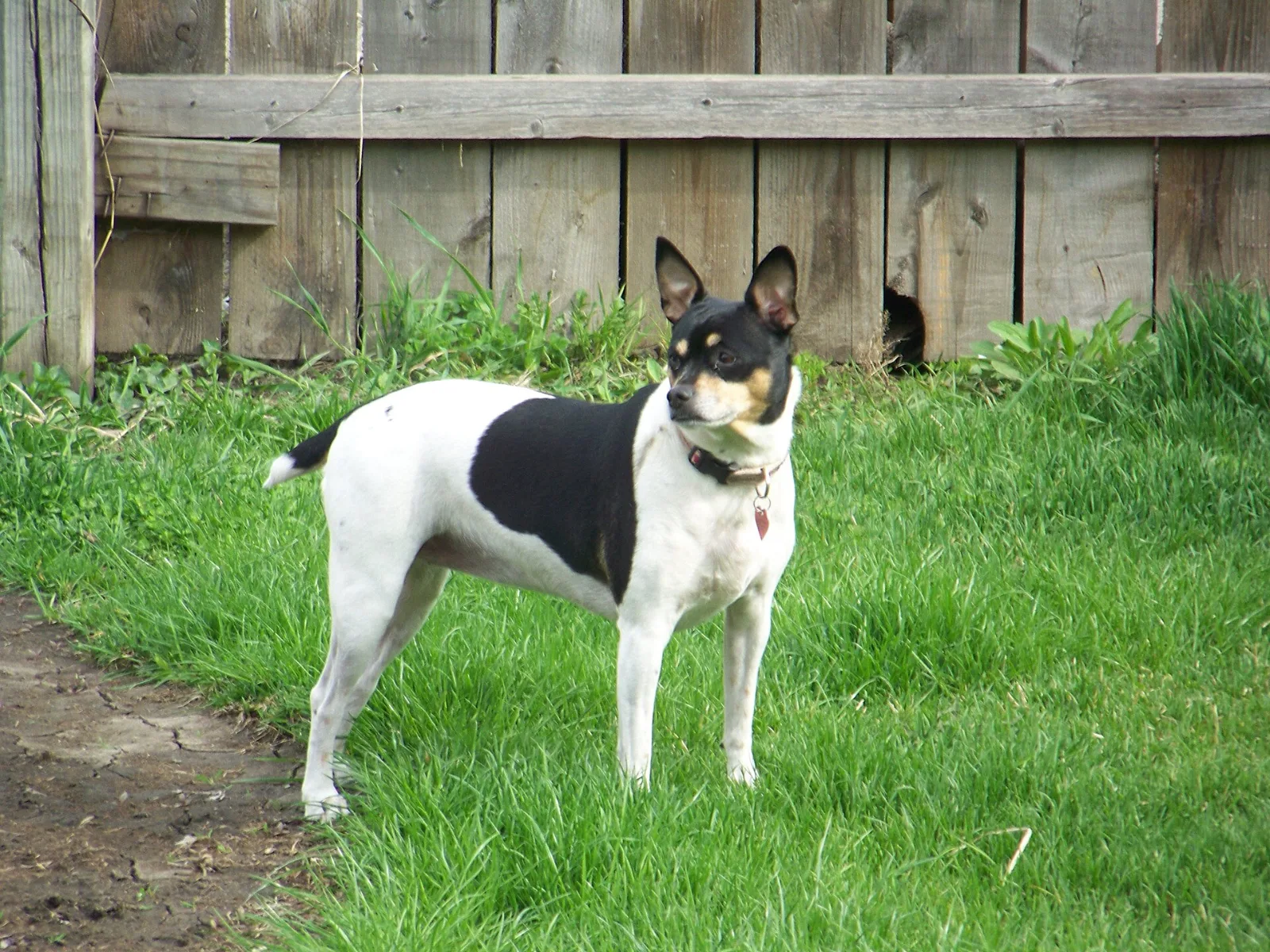
The first month with a Rat Terrier puppy is about routine, not obedience. Set predictable times for sleep, food, toilet trips and play, keep new experiences gentle and positive, and you will have laid the groundwork for everything that follows. Expect some broken nights, a few accidents, and a lot of needle-sharp teeth.
Priorities for month one
- Book a vet visit in the first few days.
- Establish a toilet routine and a safe sleeping place.
- Feed the same food the breeder or rescue used, at set times.
- Begin gentle socialization and handling.
- Protect sleep. Puppies need far more of it than people expect.
Before your puppy arrives
- Puppy-proof. Get down to floor level. Move cables, shoes, houseplants, medicines and anything small enough to swallow.
- Set up a base. A crate or pen with a bed, in a room where the family spends time.
- Choose a toilet spot outside and decide who takes the puppy there.
- Agree the house rules. Sofa or no sofa? Everyone needs the same answer.
- Gather supplies. Our puppy supplies checklist has the essentials, and the calculator below estimates sizes.
Days 1 to 3: settling in
Keep it quiet. Let the puppy explore one or two rooms, meet the household calmly, and sleep as much as it wants. Take it to the toilet spot straight away and then after every nap, meal and play session.
At night, have the crate beside your bed for the first week or two so the puppy can hear and smell you. Expect to get up once or twice. Take it out on a leash, keep things dull, and return it to bed.
Week 1: routine
| When | What |
|---|---|
| On waking | Straight outside, then breakfast |
| After meals | Outside again within a few minutes |
| Play | Short bursts, then outside, then a nap |
| Naps | In the crate or pen, many times a day |
| Last thing | Toilet trip, then bed |
See your vet this week. Bring any records from the breeder or rescue, and ask about the vaccination schedule, parasite prevention, microchipping, feeding amounts, and when it is safe to visit public places.
Stick with the food the puppy arrived on. If you want to change, do it gradually over a week or so to avoid an upset stomach. Our feeding guide covers portions and meal frequency.
Week 2: handling and first lessons
- Name game. Say the name, reward eye contact.
- Handling. Touch paws, ears and mouth briefly, then treat. This pays off for years at the vet and during nail trims.
- Collar and harness. Wear them for a few minutes at a time with treats and play.
- Bite inhibition. When teeth land on skin, go still, then offer a toy. Reward play that involves the toy rather than your hands.
- Alone time. Leave the room for a minute or two while the puppy has a chew, and build up slowly.
Week 3: the wider world
Socialization is exposure that feels safe. Following your vet’s advice on vaccination, let the puppy see and hear new things from a comfortable distance: traffic, bicycles, people in hats, different floor surfaces, the vacuum cleaner in another room. Pair each one with food. Carry the puppy in places where it should not be on the ground yet.
If you plan to join a puppy class, look for one that uses rewards and keeps groups small.
Week 4: building on it
- Add sit, down and a short recall indoors. See how to train a Rat Terrier puppy.
- Stretch the time between toilet trips a little, if accidents are rare.
- Introduce a puzzle feeder for one meal a day.
- Practice short, happy car rides in a secured crate.
Things that are normal
- Sleeping most of the day.
- Mouthing and chewing everything.
- Bursts of wild running, usually in the evening.
- The odd accident indoors.
- Whining the first few nights.
Call your vet promptly if a young puppy has vomiting or diarrhea, refuses food, is unusually sleepy or wobbly, coughs, or has discharge from the eyes or nose. Small puppies can go downhill quickly, and VCA notes that very small ones can be prone to low blood sugar.
Sources
Interactive tool
Rat Terrier Puppy Setup Calculator
Estimate the crate, bed, gear and supplies your puppy needs. Always confirm sizing with the manufacturer chart.
Estimates only. Always follow the manufacturer sizing chart and ask your vet about growth, diet, and vaccines.